Blog Archives

Archaic Definition of the Week

Posted on by

publishingo’spray. The sea-eagle, of which it is reported, that when he hovers in the air, all the fish in the water turn up their bellies, and lie still for him to seize which he pleases.

Johnson’s Dictionary : A Modern Selection by Samuel Johnson (1755), ed. E. L. McAdam and George Milne (1963)

Category: ADOTW

Turning Publishing Upside Down

Posted on by

publishingAn excellent survey of recent shifts in the publishing industry by Nathan Bransford raises the question: has “everything in publishing changed all at once … or was it more of the same?”

Of course, if the publishing industry is about to price-war itself out of business, the timing would be perfect as I prepare my second round of query letters…

Category: Uncategorized | Tags:

The Sky Goes Black

Posted on by

Having just dumped an impromptu mess into Nathan Bransford’s first paragraph contest, I was a bit humbled and very impressed to see this fantastic introduction by Mandy Morgan on her livejournal site.  Her insertion of a mysterious phenomenon into an otherwise familiar setting is quite well-done.

Category: Blogroll

Word Cloud for Ligan

Posted on by

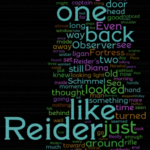
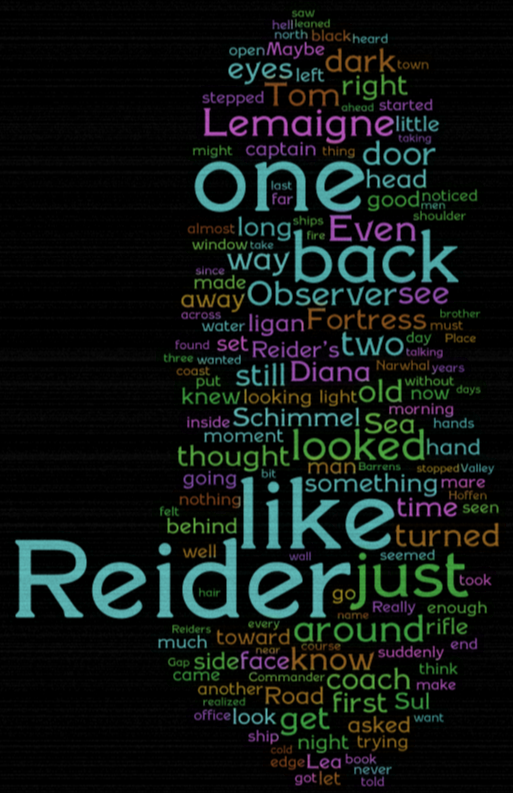
Below is a word cloud for the entire text of The Ligan of the Disomus, courtesy of wordle.net and a little PhotoShop.

LiganWordcloud

Category: Observer

The Food of Colonial Slaves

Posted on by

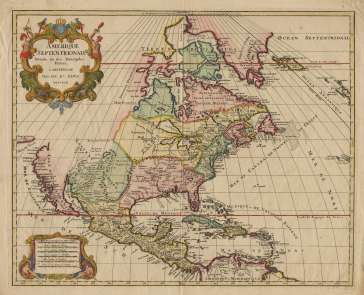
NorthAmericaMapA very interesting piece in Pittsburgh’s Post-Gazette marks the 30th anniversary of African American programming at Colonial Williamsburg by delving into the cousine of enslaved blacks, a combination of European foods, African techniques, and American ingredients. 

The rough conditions and harsh schedules in which the slaves had to prepare food are striking, made all the more so by the technological gulf separating even the best-equipped kitchen of the 1700s from the electronic luxuries of 2009.

Happy Birthday, United States Navy

Posted on by

On 13 October 1775, the Continental Congress ordered the creation of the the Continental Navy, which would later become the United States Navy.  In other words, the Navy is older than the Republic itself.

The first ship commissioned was the Alfred, formerly named the Black Prince, thus establishing a long tradition in the U.S. Navy of renaming things to sound sillier than they sounded before.

Ironically, during my ten years of naval service I never set foot on a ship.  But, if you get a chance to tour a US Navy vessel (I have toured the still-active Yellowstone and the legendary Constellation) don’t pass it up.  The tight and efficiently packed interior of a ship, particularly a sailing vessel, is an experience unlike anything you might find on land … although perhaps not recommended for the claustrophobic.

And, if you see a sailor today, wish him a Happy Navy Birthday.

Fort Edward Discovered Underwater

Posted on by

NorthAmericaMapBeams believed to be from the water bastion of mid-18th Century Fort Edward have been dredged up, interestingly as part of clean-up effort aimed at removing dangerous pollutants from the bed of the Hudson River. Artifacts from the early encroachment of pre-Industrial civilization on the North American continent now have to be tested for industrial PCB’s just to determine whether they are safe for public viewing.

Fort Edward was the furthest navigable point inland on the Hudson, and therefore the beginning of “portage” or carrying goods and vessels overland from water to water. It is also known as the location where New Hampshire’s Major Roger Roberts wrote his famous Rules of Ranging.