
 Businesses have a bad habit of backing themselves into corners. For example, the way traditional publishers backed away from their promotional responsibilities, pressuring all but a tiny bestselling minority of authors to run themselves ragged promoting their own books.1
Build a platform! Engage your audience! Brand your work! Do a marketer’s tasks instead of writing!
As it turned out, promotion was one of only a few contributions traditional publishers made to an author’s career. Once online resources (including networking between writers, editors, and cover artists) eliminated the other “middle man” contributions of publishers, there really wasn’t much of a role for traditional publishers among authors who, driven by marketing neglect, had already trained themselves to be self-promoters.
And now one of those traditional publishers, the bumbling and stumbling Hachette, is backing itself into a physical corner by adopting the cheapskate “open office plan” architecture (read: low-walled cube farm) despite the massive flaws researchers have discovered about this set-up. Continue reading




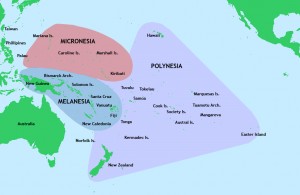 With Disney opening the door on the idea of oceanic fantasy—and researchers uncovering evidence of
  Phaticized work is defined as a covert and often unconscious form of corruption in which organizational resources are diverted to personal ends by way of social instincts.
 “I got a lot of thanking to do.” – grateful person or pensive hillbilly
 Here’s a thought about harnessing “disruptive ideas.”
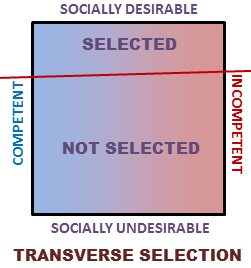 University of Pennsylvania social network researcher Lynn Wu recently discovered a perfect example of