 It’s time for another installment of the Writing Archetypes series, where I talk about certain roles, scenes, and plot points that can be found repeated in many stories. They synchronize those stories with the narrative instincts of the human mind, and imbue them with a distinct psychological presence.
You don’t have to be a dyed-in-the-wool Jungian to recognize that archetypes are a core element in storytelling. You don’t even have to like the term “archetype.” Call them what you like: tropes, memes, patterns, threads, modes, models, Platonic forms, şurôt, whatever.
But, no matter what you call them or why they exist, they do exist, and they have undeniable storytelling power.
During the last few installments we learned a little about Heroes, Companions, Gurus, etc. Today we explore the Villain archetype, which is often divided into Proximate and Ultimate threats. The archetypal “bad guy” seems like a simple role—just oppose the Hero, right?—but there’s a lot of subtlety and complexity lying just under the surface.
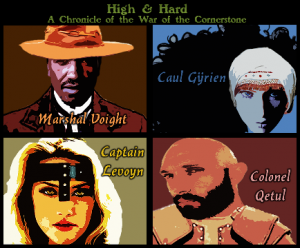 Among the serialized fiction in my Free Fiction Friday cycle is a dark, gunpowder fantasy that combines elements of gritty, realist, “hard” fantasy and epic, classic, “high” fantasy.
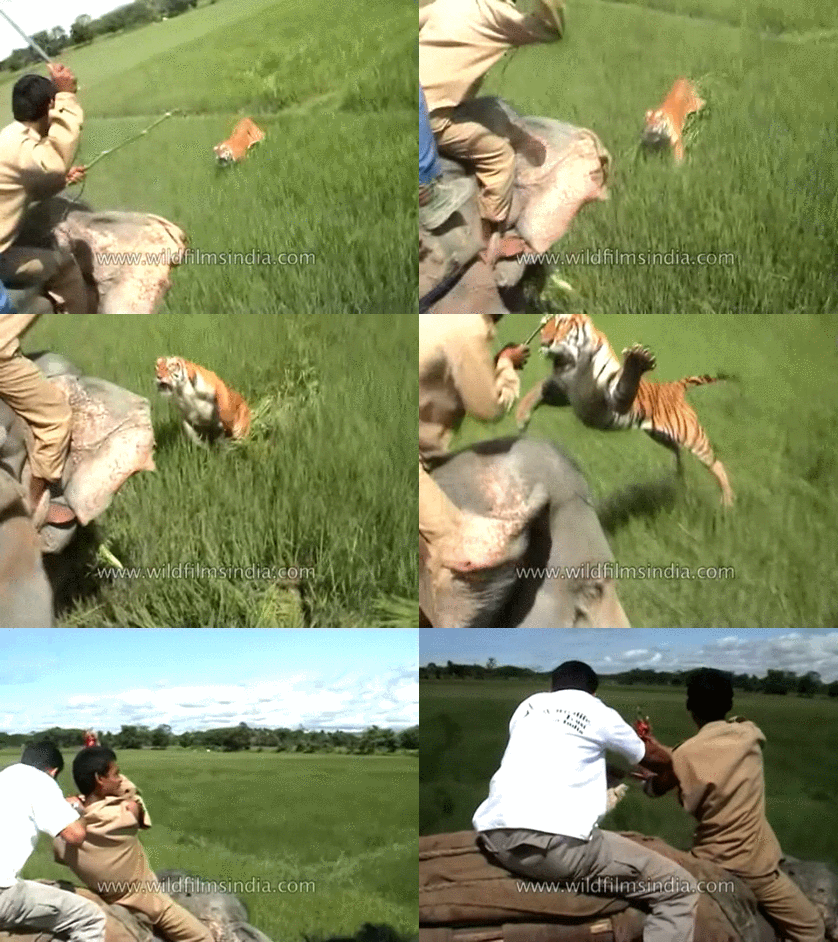
 I love big cats, and I cannot lie. Nature has yet to devise a more gorgeous predator than the Panthera genus. Of course, it’s a one-way love affair.
 This taught her that she had control over his behavior, which boosted her confidence and calmed her down. So, each time he was able to move the broom closer to her until, finally, he was actually able to touch her.


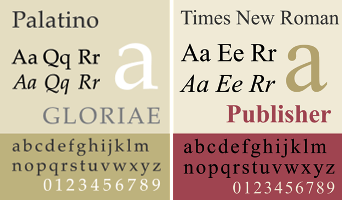
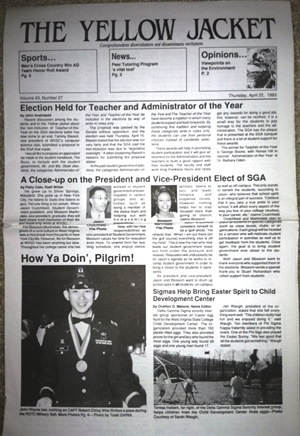
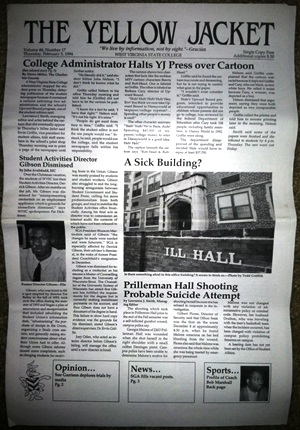
 When I took over as editor-in-chief of the West Virginia State student newspaper, The Yellow Jacket, I made two key changes to the format, intended to give the paper a sleeker look.