
 In a recent Huff Post blog, author Melanie Benjamin joins the chorus of publishing-related people who are starting to speak some sense in the maelstrom of “everyone can be a writer” cheerleading.
While her main point is that aspiring writers should also be avid readers (her raison d’écrire was Tin House publishing’s decision to require a bookstore receipt for unsolicited manuscript submissions) she touches on the core of my argument that publishing is in danger of becoming a pyramid scheme.
I think that’s the problem today; too many authors, not enough readers. So many people dream of seeing their book on a front table in a bookstore; so few people actually buy books that are on front tables–or back shelves–of bookstores. So few people even know where their closest bookstore is located.
As someone who can think of three chain bookstores, two independent bookstores, and three used bookstores within walking distance of where I live (not to mention the bookstores in the National Mall’s various museums) I could not agree more.
But more importantly, “too many authors – not enough readers” is the Formula of Ultimate Doom for the publishing industry’s current toxic combination of DIY marketing and cross-consumerization of readers into wannabe writers. It’s the reason all pyramid schemes fail: not enough new recruits funneling resources to the top cats who are reaping all the rewards.
Benjamin goes on:
I have no problem with a publisher requiring an aspiring author to show proof that he’s read at least one book lately. Wouldn’t it be great if every writers’ conference required the same thing for all applicants? Wouldn’t it be wonderful–if not strictly ethical–if every literary agent did this, too?
I’ll be honest: considering some of the quirky pet peeves for which agents reject queries, I can’t see the ethical problem in asking for some proof that a writer is involved in the literary process beyond clicking send on an email, so long as the agent doesn’t require that the book be one she or her firm represented.
I have a stack of books knee-high already from 2010 alone. Bring it on!
Heck, if every aspiring author read ten books a year, this industry would not be having the problems it’s having today.
I will see that bet and raise you, Melanie. If half of the aspiring authors (specifically those for whom getting published is more for dazzle than devotion) would shift their enthusiasm for literature entirely from writing to reading, publishing would be both financially and artistically richer.
_
For a similar piece by Joseph Bednarik, read “The Law of Diminishing Readership” at Poets & Writers.


 At the Huffington Post, Rebecca Serle interviews Newberry Prize winning author Kathi Appelt, specifically on the subject of American Fantasy. Not fantasy fiction written by Americans, but fantasy fiction that draws on American locales and imagery.
 Today is the birthday of Charles Scribner, personal editor of author Ernest Hemingway, whose last name I heartlessly employ as a euphemism for booze sipped while writing.
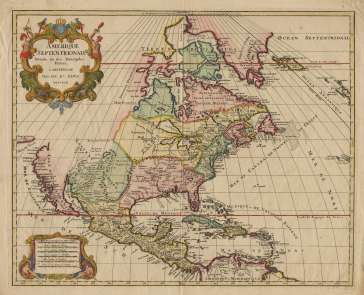 Want to know how close we can be to the sort of conflict that drives good historical fiction?
 Librarian and author Lawrence Clark Powell said, “Write to be understood, speak to be heard, read to grow.”
 Patrick Kiger at the Second Act blog published


 The Guardian Science/Anthropology: “