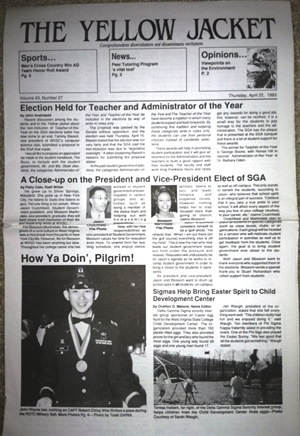
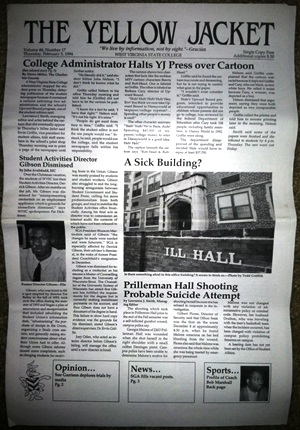
 When I took over as editor-in-chief of the West Virginia State student newspaper, The Yellow Jacket, I made two key changes to the format, intended to give the paper a sleeker look.
First, I replaced the clunky four-column format with five slimmer columns that enabled more photo embedding options. Then, I replaced the Times font with Palatino.
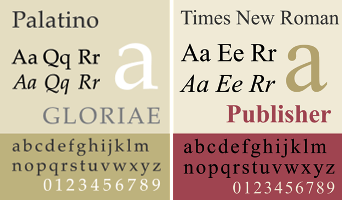 It may look like a subtle difference, but to a font dork like me it was a difference worth making. The left-facing letters of Palatino (compare a, j, and q) present fewer obstacles to the right-moving eye than in Times, and Palatino’s right-facing letters (check out f and r) let the eye slip to the next letter rather than tripping it up with a blunt hook the way Times does.
 Hermann Zapf, the man who designed the highly successful Palatino font as well as the popular Zapf Dingbats, died earlier this month. His work can be found not only in my old school newspaper and in publishing software all over cyberspace, but on the Vietnam Veterans Memorial in DC, which uses Zapf’s Optima font for the names of the Americans who died in that war. May Zapf also rest in celebrated peace.
At left: the paper as I inherited it vs. the paper as I re-envisioned it.
 If there’s such a sound as a man squee (maybe a roh-yeah?) I just made it. Actually, it did kinda sound like “roh-yeah!” Like the Kool-Aid man pumping out an extra rep at the gym.
 Everybody has their Top Ten lists. Sure, lists are a viral sensation in the Age of the Internet, but let’s not forget that Casey Kasem was counting down our
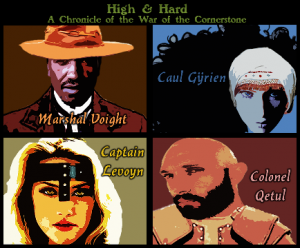 All the talk about the CIA torture report reminded me of that story you had here about the spy torturing the woman in the tree. I didn’t see that scene any more, but I saw you were answering questions about the story and global warming. Is it also about the torture during the war on terror? Did you take that scene out?
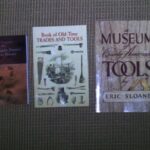
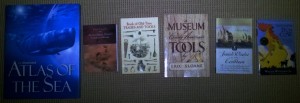 There’s no rule about how to organize your own book collection, but National Public Radio listeners had some interesting suggestions: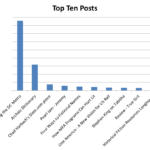
 There was a gigantic spike in web traffic a while back, all of it a result of my piece on
 Good writing is not about a narrative. It’s about multiple narratives in relationship with each other, not only the narratives in the story itself but also the narratives in the readership that the story is responding to, confronting, confirming, or tweaking.
 Scanning around my favorite lit blogs this morning, something occurred to me.